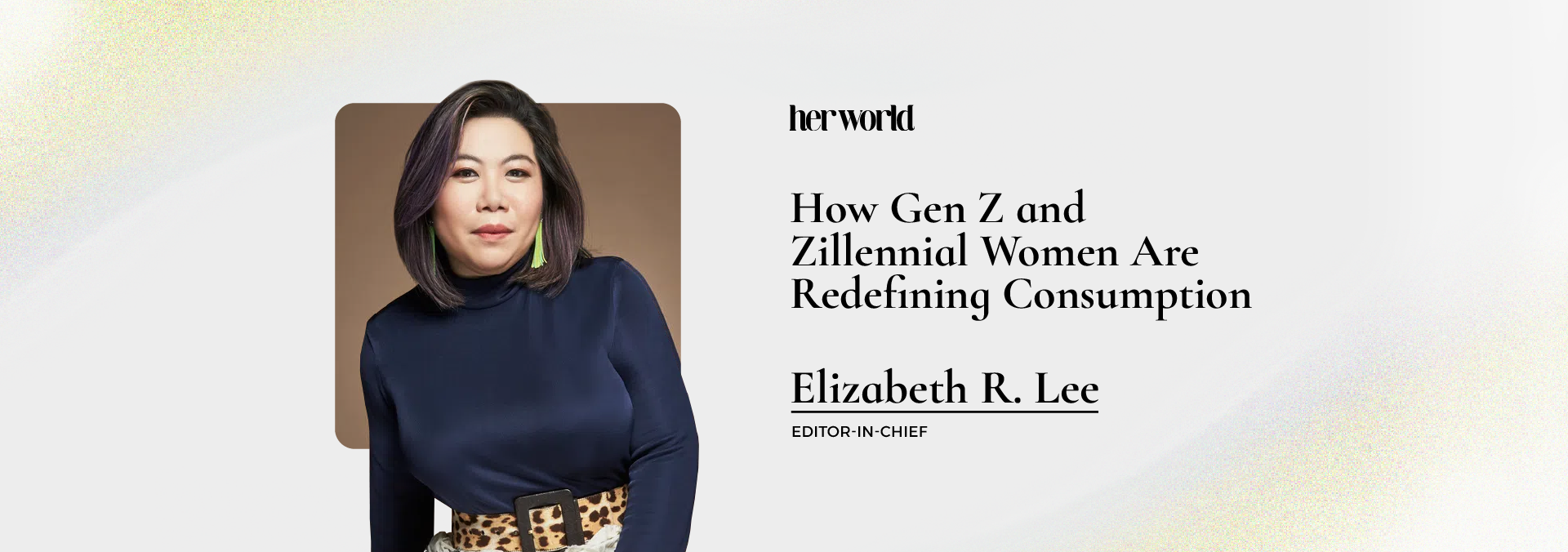
The Lifestyle Influence gives brands and advertisers direct access to the conversations, trends, and shifts defining how people live, spend, and engage. Each edition draws on the ground-level knowledge of our editors-in-chief across Singapore's most-read lifestyle titles, translating what they see, hear, and publish into actionable knowledge for the people who need to reach these readers. Part insight series, part industry conversation, it is our way of making the depth of what we know available to everyone.
There is a story that gets told about Gen Z and Zillennial women consumers: that they are pulling back, choosing frugality over aspiration. And there is truth in it, but it is not the whole picture.
Young women today are not spending less so much as spending differently. What has changed is not the willingness to spend, but the standard something has to meet before it earns that spend. This tension, between financial awareness and the desire for a life well-lived, is what defines how Gen Z and Zillennial women consume today.
From your vantage point as Chief Editor, how would you describe the way female Gen Z and Zillennial think about consumption and spending today?
Zillennials are navigating a careful balancing act. There is a strong intent to save, but also an acceptance that their current life stage requires spending on socialising, travel, and self-development. More disposable income doesn't necessarily translate into more savings; instead, it is often channelled into experiences rather than material purchases.
Gen Z takes this even further. They prioritise experiences heavily, but when it comes to products, there is a clear tilt toward quantity over quality. Affordability and immediacy often win.
For brands, this distinction matters. Neither group has disengaged from consumption, but both have raised the bar for what earns their spend.
What do you think are the biggest drivers behind these shifts : economic pressure, changing values, post-Covid fatigue, or something deeper?
Economic anxiety is very real: rising costs, global instability, and uncertainty about the future weigh heavily on all of us. At the same time, there has been a noticeable lifestyle shift post-pandemic. For the younger generation, there is greater comfort with spending in the present, particularly on experiences shared with friends.
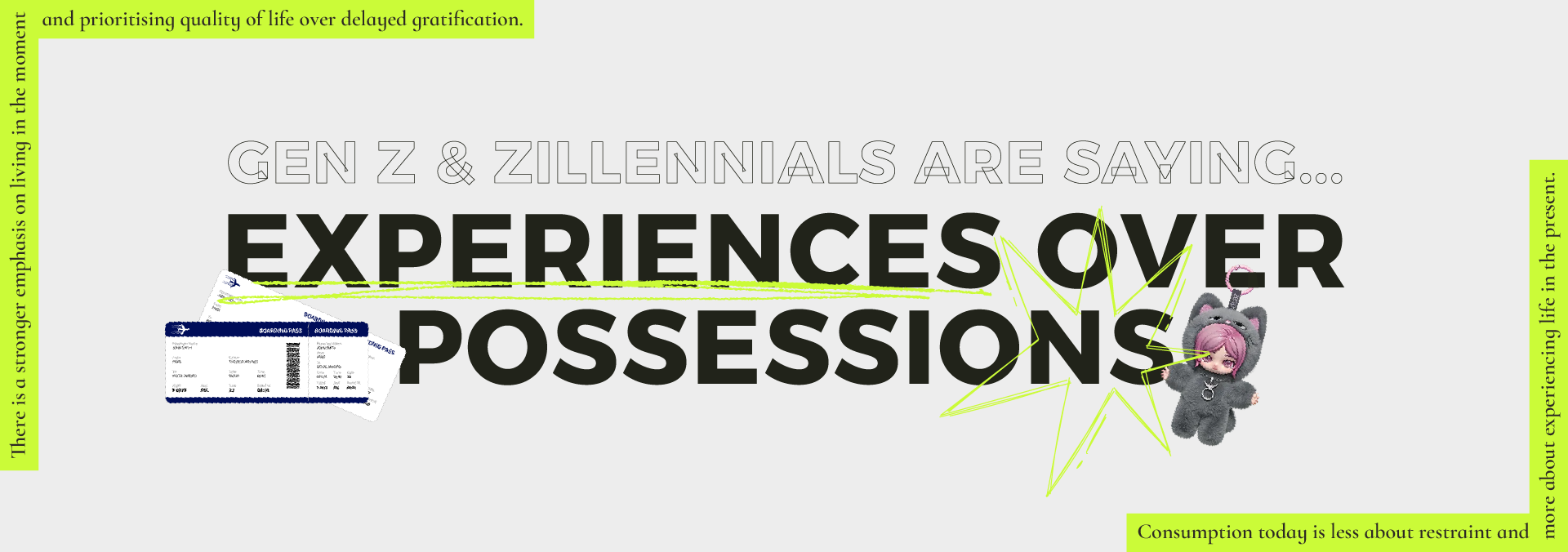
To me, this signals an underlying change in values. Traditional pressures around saving, restraint, or delayed gratification feel less dominant. Instead, there is a stronger emphasis on living in the moment and prioritising quality of life.
How would you describe the new rules of consumption and spending for these generations e.g. what's in, what's out, what’s on the cusp
For Zillennials, spending has moved away from routine indulgences and toward experiences: sports, social activities, and the broader wellness space. Looking and feeling good has become a key priority.
For Gen Z, consumption is far more trend-led. What drives purchases is often what is visible and viral: products that are cute, collectible, and highly shareable. Something that used to appeal to the young, like nightlife, has lost some of its appeal, replaced by more casual, curated forms of socialising.
Consumption, in other words, is moving from ownership to participation. The product alone is rarely the point anymore. Context, experience, and social relevance increasingly determine whether something earns a place in a consumer's life.
What are Gen Z and Zillennial women in your community actually talking about when it comes to money and how they spend it? Is there anything that’s surprising, things that brands have probably not picked up?
How this generation talks about money is shifting just as much as how they spend it. But the shift is not uniform, and the gap between the two cohorts is wider than most brands realise.
Zillennials are surprisingly open about money. Between friends, they discuss salaries, compare spending habits, and even scrutinise how others use their income.
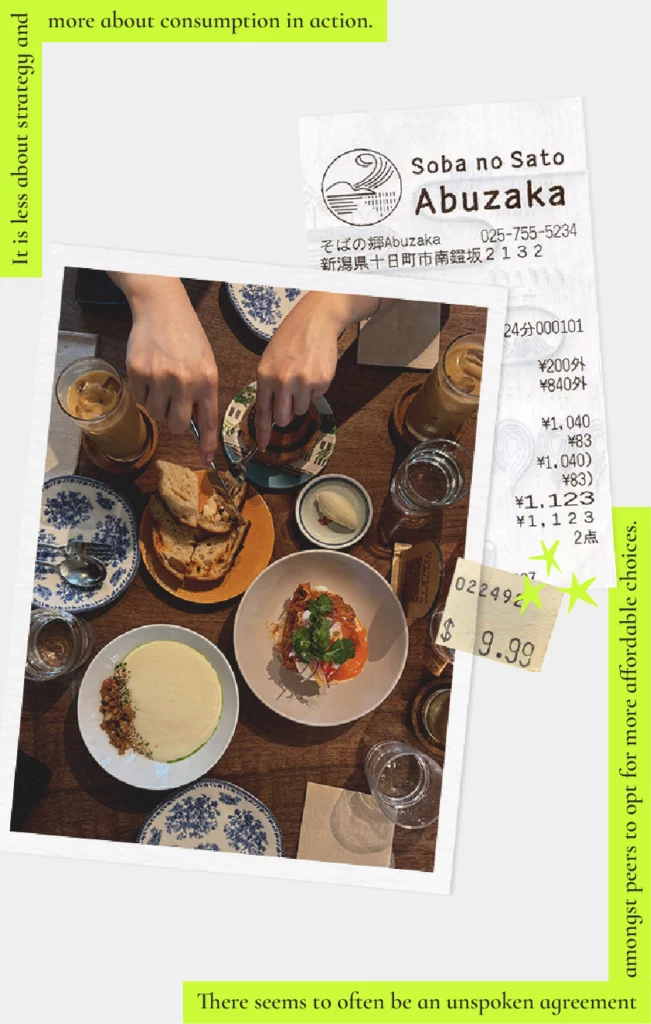
Gen Z, on the other hand, aren't talking about money as much. From conversations with interns, there seems to often be an unspoken agreement amongst peers to opt for more affordable choices, without needing to articulate it. Socioeconomic differences are less overtly discussed, which can make their spending behaviours harder to decode.
Is this reflected in what your audience actually engages with? Are certain content types or topics pulling significantly more traction than before?
This difference in openness also shapes the kind of content each group seeks out.
Among Zillennials, while there is interest in financial literacy, many feel unsure about where to begin, particularly with investing, which leads to procrastination. This is why one of the key focuses on Her World is on the topics of money, career, and adulting. We want to be the go-to platform that starts difficult conversations and decodes confusing topics.
What we’ve observed about Gen Z engagement is that it skews toward content that shows how money is spent rather than how it is managed. Shopping hauls, product reveals, and blind-box culture resonate with this audience. At this stage, it is less about strategy and more about consumption in action.
The recent issue explored de-influencing and loud budgeting. And then there’s Frugal Chic. How do those trends reflect what you're seeing more broadly in consumer behaviour?
Consumption, and the reduction of it, is also increasingly shaped by what is seen, shared, and validated across digital platforms. Trends like “de-influencing,” “loud budgeting,” and “frugal chic” have become shorthand for a supposed generational shift toward conscious consumption. But do they actually resonate, and is aspiration really losing its hold?
Although they capture a segment of the audience, these trends are not universally resonant. For some Zillennials, they reflect a genuine attempt to be more intentional, yet that intention often coexists with aspirational purchases they are still willing to make.
For Gen Z, these ideas are not always front and centre. In many cases, they are simply not surfacing within their algorithms, which suggests that these trends may be more niche than they appear.
Are Gen Z and Zillennial consumers becoming more sceptical of traditional markers of aspiration like luxury, premium positioning, status signalling compared to older generations?
When it comes to aspiration itself, the picture is more nuanced than a straightforward rejection of status.
Among Zillennials, there is less emphasis on overt status symbols and more scrutiny around value. Owning a home, for example, while still seen as a symbol of success, carries a different nuance. It's not so much "Wow, you bought a condo" but "Wow, you live on your own and your house looks nicely decorated." Independence has become the next luxury.
Gen Z's approach is more pragmatic than aspirational. They are willing to spend on items that serve a clear, everyday purpose, but traditional luxury markers hold less inherent meaning.
For brands, collapsing this complexity into a single consumer narrative is one of the costlier mistakes they can make. Intentional spending is emerging, but it is one current among many.
There's a sense that they are harder to sell to than previous generations. Where does trust actually come from for this audience? How is this changing the way they engage with product recommendations or branded content?
Audiences are sceptical of overtly commercial content, particularly when it feels overly polished or transactional. They look for consistency across multiple sources. Authenticity is key, and anything that feels overly curated or insincere is quickly dismissed.
At Her World, we take great pains to ensure that what we feature has been tried and tested by a staffer, or has input from an industry expert. We want our audience to trust our recommendations the way you would a big sister or a best friend.
What gets filtered out is not polish, but rather the sense that something exists purely to sell. In this environment, trust is less about authority and more about validation. And that validation has to be earned consistently, not assumed.
When Gen Z and Zillennial women are deciding whether to trust a recommendation: who do they actually listen to? Influencers, editorial voices, people like them?
Trust today is far more decentralised and harder earned. Trust often comes from a combination of word of mouth (e.g. what friends or colleagues say) and reviews on social platforms like TikTok, particularly when multiple users share similar, consistent reviews.
There is a clear preference for content that feels raw and unfiltered, rather than highly produced. It is less about who is saying it, and more about how many people are talking about it.
Given all of this, how is the role of lifestyle media evolving?
We have to be digital-first and socially native. Content needs to be accessible, multi-format, and designed for how audiences consume information, primarily on their phones.
At the same time, there is still space for depth. Among Gen Z especially, there is an appetite for thought-provoking content that engages with social issues, cultural conversations, and even controversy. The challenge is balancing immediacy with substance in an increasingly fragmented attention landscape.
Is there anything that brands are still getting wrong about today’s consumer mindset?
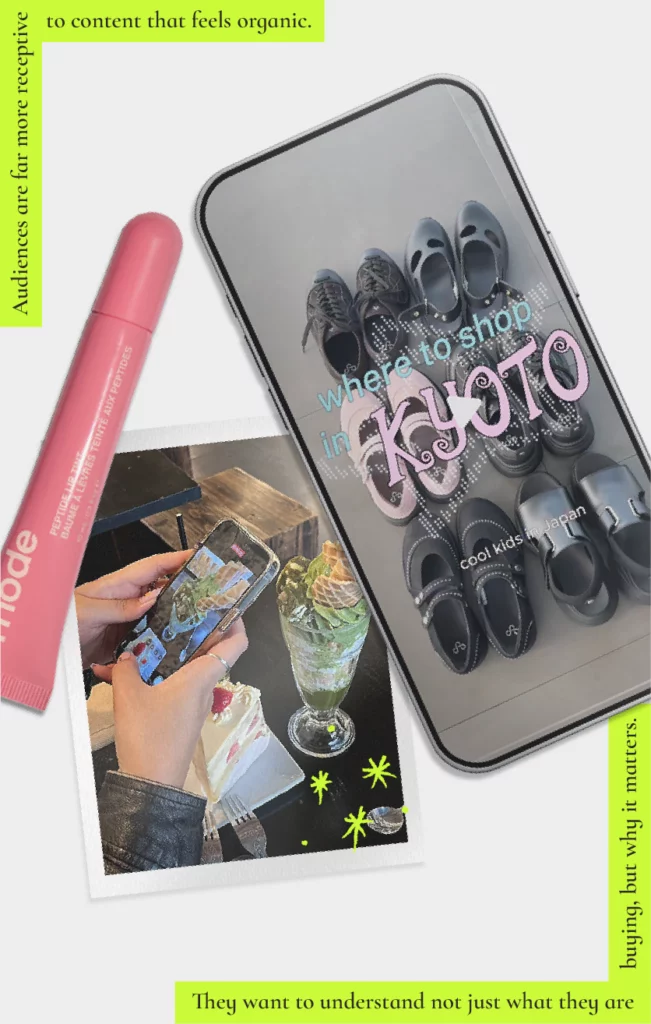
Many brands still rely too heavily on traditional influencer models. There is growing fatigue around overly curated personalities who come across as inauthentic or detached. Audiences are far more receptive to content that feels organic and glimpses of real life rather than staged narratives. Overproduced visuals, including excessive use of AI-generated content, can feel impersonal and are often met with resistance.
How should brands evolve their messaging in a world where consumers are more intentional and openly questioning consumption?
Pulling back from the hard sell is part of the answer. But the deeper shift is in how brands think about their relationship with the audience altogether.
The focus should be on storytelling: creating context, meaning, and relevance around what they offer. This requires a deeper understanding of their audience and a more honest, conversational tone. Consumers today respond to transparency and intention; they want to understand not just what they are buying, but why it matters.
What does authenticity actually look like from an editorial standpoint today and how can brands participate in these conversations without coming across as opportunistic?
For brands wondering how to enter these conversations without feeling like an intruder, the answer lies in where and how they show up.
Authenticity starts with clarity. This means knowing exactly who you are speaking to and what matters to them. This is why we spend so much time looking at our audience data, tracking what resonates with them and understanding their pain points. The most effective content is often specific and with a point of view.
This means engaging with media platforms as storytelling partners rather than just distribution channels. When done well, it allows for more nuanced, credible narratives that resonate with audiences without feeling forced.
Trusted editorial environments do more than distribute messages. They provide context, signal credibility, and help make sense of information in ways that pure social reach cannot replicate. For brands, this is an opportunity to engage with media not just as a channel, but as a genuine storytelling partner.
If there's one mindset shift brands need to internalise right now, what would it be?
Today's consumer is not passive. She is discerning, informed, and highly selective about what she engages with. Brands can no longer rely on visibility alone. They must earn attention through relevance, honesty, and a genuine understanding of her world.